
"coffee quality by size"
10000 article(s) found
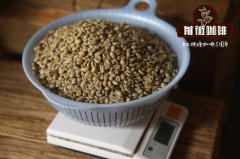
Knowledge about coffee raw beans classification and nomenclature of coffee in different countries
What exactly do G1, G2, G3, G4, AA, PB, SHB, SHG, EP and PLANTATION represent? The name of a coffee may contain messages such as country, producing area, variety, treatment, cup quality, bean order, bean shape or color, defect, raw bean density, etc. To really understand the naming of coffee, we must first understand the classification and classification of coffee. The grading of coffee

Coffee bean selection method manual selection of "good beans" and "bad beans"
Apples don't taste different because of size, which I agree with, but in the roasting of coffee beans, it doesn't matter if they're heated anyway. Coffee beans harvested from the same tree, regardless of size
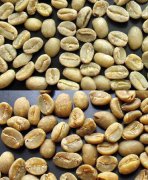
Grading of raw coffee beans
There are two ways to classify raw coffee beans, one is the filter number, and the other is the elevation. It is divided by the filter number, and the size is size in terms of the screen size. Round beans are generally smaller than flat beans, between 8-13 and 12-29. 8, 9, 10. 12, 13. 18. 29 = small, medium, ordinary. Quasi-big. Big, extra large. The bigger the size, the bigger the beans. Like SC-.

Selection of coffee beans
In short, when choosing green coffee beans, beans with uniform shape, thickness, size, color, center line and so on are the best. In short, an average bean is a good bean. Unfortunately, such beans are extremely rare.

Methods and skills of manual selection of coffee beans and defective coffee beans
I agree that apples don't taste different because of their size, but when it comes to roasting coffee beans, they all have to be heated anyway, and it doesn't matter if the coffee beans are different in size. Coffee beans harvested from the same tree, regardless of size
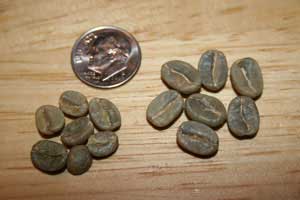
Knowledge points of Coffee Raw Bean: the concept of Fine Coffee Specialty Coffee (1)
The traditional classification of coffee beans is usually based on the classification criteria defined by the coffee producing countries, and then agreed to become common in the international market and traded under such a tacit understanding. For a long time, coffee producing countries have their own classification and evaluation criteria for coffee, which serve as the pricing guidelines in the coffee market. But slowly in recent years, coffee consuming countries have begun to demand unified evaluation criteria.

The origin rating system of Brazilian boutique coffee quality grading of Brazilian coffee quality of Brazilian coffee
The grading system of Brazilian coffee is very extraordinary, according to the results obtained by the Brazilian cup test as the primary basis for grading, rather than like most other coffee beans, it will refer to altitude, bean size, and so on. So when we choose to buy Brazil, we often add a number of coffee beans to name its size. The so-called mesh number is the size of the screen.

The way the sieve is graded is by the size of the green coffee beans. Fine coffee
The method of sieve classification is the method of classifying green coffee beans according to their size. Raw beans are passed through a perforated iron sieve to determine the size of the beans and thus the grade. The hole size unit of the screen is 1/64 inch (less than 0.4mm), so the number of screens indicates that there are several 1/64 inches, such as the size of the 17th screen is 17/64 inches, about 6.75mm, so the screen
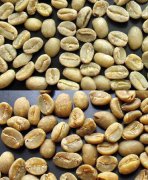
Classification of raw coffee beans in Coffee Encyclopedia
There are two ways to classify raw coffee beans, one is the filter number, and the other is the elevation. It is divided by the filter number, and the size is size in terms of the screen size. Round beans are generally smaller than flat beans, between 8-13 and 12-29. 8, 9, 10. 12, 13. 18. 29 = small, medium, ordinary. Quasi-big. Big, extra large. The bigger the size, the bigger the beans. Like SC-.

Kenyan coffee bean grading system description of flavor and taste of Kenyan AA TOP grade coffee
Professional baristas please follow the coffee workshop (Wechat official account cafe_style) the Kenyan coffee grading system is set up under the government-led policy of managing quality and mentoring coffee farmers. After the coffee is harvested, it is the official unit set up by the government, the Kenya Coffee Bureau (CoffeeBo).

How big are the three sizes of coffee cups?
Coffee cups are roughly divided into three sizes. Generally, the smaller the size, the stronger the coffee inside. 1. The smallest (50ml~80ml) is commonly known as the espresso cup, which is suitable for tasting pure quality coffee or strong individual coffee. two。 120ml~140ml cups are the most commonly used and are characterized by leaving room for self-blending, such as adding milk and sugar, and sometimes it is also used
The concept of Fine Coffee Specialty Coffee (1) the third Wave of Coffee Culture and History in the World
The traditional classification of coffee beans is usually based on the classification criteria defined by the coffee producing countries, and then agreed to become common in the international market and traded under such a tacit understanding. For a long time, coffee producing countries have their own classification and evaluation criteria for coffee, which serve as the pricing guidelines in the coffee market. But slowly in recent years, coffee consuming countries have begun to demand unified evaluation criteria.

Freshly baked coffee beans grade learning! What does the legendary G1 G2 mean?
Professional coffee knowledge exchange more coffee bean information Please follow the coffee workshop (Wechat official account cafe_style) in order to distinguish good coffee beans from poor quality coffee beans, we have to grade coffee. Coffee is usually graded according to the defect rate and the size of beans.

What is the difference between Kenya AA TOP and Kenya AA coffee beans?
For information, please pay attention to Coffee Workshop (Weixin Official Accounts cafe_style). When Kenya is mentioned, Kenya AA is the first thing that many enthusiasts think of, because it is the most exposed name both online and in stores. Moreover, anyone who knew a little about coffee beans knew that AA represented a high quality grade. The way beans are graded from one region to another

How to understand that the smaller the size of the coffee cup means the stronger the coffee?
The three sizes of coffee cups are roughly divided into three sizes. Generally speaking, the smaller the size, the stronger the coffee inside. 1. The smallest (50ml~80ml) is commonly known as the espresso cup, which is suitable for tasting pure quality coffee or strong individual coffee. two。 Medium (120ml~140ml) cups are the most commonly used and are characterized by leaving room for self-blending, such as adding milk and sugar.

General knowledge of fine coffee beans grading of raw coffee beans
There are two ways to classify raw coffee beans, one is the filter number, and the other is the elevation. It is divided by the filter number, and the size is size in terms of the screen size. Round beans are generally smaller than flat beans, between 8-13 and 12-29. 8, 9, 10. 12, 13. 18. 29 = small, medium, ordinary. Quasi-big. Big, extra large. The bigger the size, the bigger the beans. Like SC-.

Exploring the secrets and classification of coffee bean names: how to distinguish the quality of coffee beans
Communication of professional baristas Please pay attention to the coffee shop (Wechat official account cafe_style) when buying coffee beans, you will sometimes see English and numbers, G1, G2, G3, AA, PB, SHB, SHG, HB, etc., in addition to the name of the coffee producing area in the packaging or in the text introduction. Have you ever wondered what these English or numbers represent? What's the difference between them?

Coffee beans size coffee beans-color coffee beans-selection
The size filter number of coffee beans (mesh no.) Pingdou 20: 19, 18, 17, 16 ordinary, 15 medium, 14

Common sense of coffee cups explain the size of coffee cups in detail
There are roughly three sizes of coffee cups. The smaller the coffee cup is, the stronger the coffee is: 1. The smallest coffee cup is called the espresso cup, which is 50ml80ml and is suitable for tasting pure high quality coffee or strong individual coffee. 2. The medium cup, also known as the Cappuccino cup, is the most commonly used. This kind of coffee cup is 120ml140ml in size, leaving room for people to make their own.

Tanzania AA Coffee Bean Sieve size characteristics Flavor Description Taste Estate Introduction
Tanzania AA Coffee Bean Sieve size Features Flavor Description Manor Introduction Tanzania's main coffee growing area is located at the foot of Mount Kilimanjaro, which has rich volcanic soil. Coffee trees planted here are more than 100 years old. The earliest coffee was first introduced from Kenya by Christians. Coffee trees must be carefully cared for, weeded and fertilized.